Budgeting for Window Replacement: Prices, Choices, and ROI
Windows aren't just glass and frameworks. They form the way a space really feels, exactly how a home executes through the periods, and what you pay on energy expenses year over year. When they fall short, you see it in drafts that creep throughout the floor, panes that fog in between the glass, and structures that swell or flake. Changing them is a funding job, not a quick duty, and the smartest budget plans start with clear goals and reasonable numbers. I've overseen window replacement on hundred-year-old cottages with plaster wall surfaces and on more recent homes where builder-grade devices quit early. The best selections look various in each case, however the process adheres to a reputable logic: frame your goals, comprehend the expense chauffeurs, select the ideal materials and glazing, then mount with technique. That's where the return reveals up.
What drives the rate of brand-new windows
Most property owners begin with the cost per home window. It's a helpful shorthand, however it conceals a lots variables that push spending plans up or down. Material is the initial fork in the roadway. Vinyl often tends to be the least pricey, aluminum normally sits in the middle for cozy climates, fiberglass and composite creep greater, and timber tops the scale. Each brings distinctive trade-offs that turn up years Accolade Exteriors later on in maintenance and efficiency. Shapes and size issue also. A conventional 3-by-5 double-hung comes under an economic situation of range that a trapezoid photo window never ever will.
The glass plan is a huge lever. Single-pane windows are functionally out-of-date in most areas. Double-pane with low-emissivity coverings is typical currently, with alternatives like argon gas fill and warm-edge spacers that bump thermal efficiency for a small premium. Triple-pane steps up expense and weight, which can strain older frames or call for beefier hardware. Whether that added layer settles depends upon climate and energy prices.
Labor divides a clean install from a mess behind the trim. Replacement kind swings labor hours commonly. Pocket replacement, where the new device fits inside the old framework, frequently sets you back less and maintains exterior home siding and interior trim intact. Full-frame replacement strips whatever to the studs, repairs rot, addresses blinking and insulation, and installs new outside cases and interior jambs. It demands more time, yet it's the only straightforward repair if water has snuck behind the frame.
Finally, access and surface work can shock you. A basic first-floor mount goes quick. A bank of home windows above a steep roofline, or a front elevation gridded with traditionally exact muntins, takes much longer. Covering plaster, painting interiors, or replacing custom-made exterior trim adds line products. In older homes, I budget a contingency for hidden rot. Every third job reveals it somewhere.
Typical cost varieties you can plan around
Prices differ by area, labor market, and brand, but numerous patterns hold. On a straightforward job using high quality midrange items:
- Expect a standard-size vinyl double-hung replacement window, set up as a pocket substitute, to land in the variety of 450 to 900 per opening, all-in. This normally consists of measuring, ordering, elimination, setup, foam insulation around the framework, caulking, and standard exterior and interior sealing. If you're seeing numbers under 350 per opening, ask what's missing, because something typically is. If it mores than 1,000, there's likely a brand premium or included scope.
A similar fiberglass system typically runs 700 to 1,300 mounted. Wood-clad will certainly be higher, generally 900 to 1,800, especially if the indoor obtains tarnished and sealed on-site. Full-frame setups can add 150 to 600 per opening contrasted to pocket, relying on trim complexity. Specialty shapes like half-rounds, bay or bow windows, or extensive sliders lug costs. A strong bay home window with architectural assistance and ended up seat can strike 3,000 to 6,000 set up, because you're essentially building a little estimate from the house.
For whole-house budgets, I typically multiply a midrange per-window expense by the count, after that include 10 to 20 percent for uneven dimensions and unanticipated problems. A 15-window home with pocket replacements in plastic might work out about 9,000 to 15,000. Swap to fiberglass with a mix of full-frame installs and you can see 16,000 to 28,000. High-end wood-clad with personalized grids and historical cases can go across 35,000 without any extravagance past quality.
Replacement kinds and when each makes sense
Pocket replacement fits. If the existing frameworks are square, the sills are sound, and there's no proof of water breach, moving a new system right into the existing frame can be reliable and tidy. It preserves exterior house siding details and prevents repainting or re-trimming insides. The disadvantage is that you shed a bit of glass location and you count on the stability of the old frame. I use pocket installs on homes with secure envelopes and proprietors who want marginal disruption.
Full-frame replacement resets the clock. If paint exfoliates in strips, if the sill really feels squishy under a screwdriver, or if water spots run down the interior jamb, you deal with the frame and blinking. Full-frame also enables you to update from weight-and-pulley systems, include insulation in the cavity, and fix any kind of poorly blinked openings. In regions with wind-driven rainfall, I favor full-frame because you can integrate the new unit with a sill pan, self-adhered blinking, and a correct drainage plane.
Insert vs new-construction home windows is one more choice. New-construction units have toenailing fins and are made for combination with housewrap and sheathing. For remodels with house siding substitute, they're ideal. For many interior-only projects, substitute systems without fins make more feeling. I have actually done crossbreeds on jobs where we removed a program of house siding to add frying pan flashing without committing to full re-siding.
Material options and exactly how they put on over time
Vinyl is economical and stable when sourced from a reliable supplier. It resists rot and never needs paint, but color options are limited, and dark exteriors can misshape in high warmth if the profile and formulation aren't robust. Mechanically attached plastic corners may loosen over lengthy spans, so for large sliders or image windows, I try to find enhanced frames.
Fiberglass strikes a functional equilibrium. It broadens and gets at prices near to glass, which helps seals last, and it endures dark shades and sun exposure far better than vinyl. Fiberglass can be painted if you alter your exterior system, and far better brands have bound edges that remain tight. It sets you back a lot more, but in climates with large temperature swings, it's a smart long-lasting play.
Aluminum radiates in warm, dry environments. Thermally damaged frames candid heat transfer, and the slim accounts allow more glass in the exact same opening. In cool areas, light weight aluminum needs mindful spec to prevent condensation at the inside. I specify it typically in contemporary designs where slim sightlines matter.
Wood establishes bench for aesthetics and customization. It insulates well and looks right in historic homes. The upkeep is real. Factory-clad outsides, often light weight aluminum or fiberglass over timber, solve the exterior upkeep issue while preserving timber inside. In damp climates, I only use timber with a dressed outside and I inspect that all site cuts are sealed with the producer's suggested product.
Composite alternatives, blends of timber fiber and polymers, go for the security of fiberglass with the workability of wood. They can be a wonderful spot for repainted insides. Efficiency varies by brand, so I check out the small print on guarantees and take notice of sash joinery and finish.
Glass bundles that pay you back
Most house owners see "low-E" and think they're covered. The information matter. Low-emissivity layers can be found in various formulas that change the solar warm gain coefficient. In the upper Midwest, I usually select a low-E that confesses extra winter sun on south-facing home windows, paired with much deeper overhangs or tones for summertime control. In the Southwest, I favor a finish that turns down solar gain extra aggressively across orientations.

Argon gas in between panes is common and affordable. Krypton appears in triple-pane assemblies with slim air spaces, valuable in severe climates but seldom required somewhere else. Warm-edge spacers reduce condensation at the perimeter of the glass. If you've seen black mold creep along all-time low of a chilly window in January, a far better spacer and framework information would certainly have helped.
Triple-pane windows are much heavier, which impacts hardware and installation. I hold them for bedrooms near highways, where the added layer improves audio control, or for very chilly areas where the indoor glass temperature stays closer to area temperature level, reducing drafts and condensation. Anticipate a 10 to 20 percent rate premium over a comparable double-pane unit.
Energy efficiency, discounts, and code
Energy codes have actually pushed home window performance progressively up. New windows should carry NFRC tags that show U-factor and SHGC. As a rule of thumb, a lower U-factor implies far better insulation. For the majority of combined environments, a U-factor of 0.27 to 0.30 and an SHGC around 0.25 to 0.35 supplies a great equilibrium. North areas can gain from also reduced U-factors, while southerly zones press SHGC to battle solar gain.
Incentives can tilt the mathematics. Utility refunds for qualifying Power Star windows often run 25 to 100 per opening, often topped per home. Federal tax credit scores have also been available for high-efficiency windows, set as a portion of job set you back as much as a yearly maximum. These programs alter, so I confirm qualification with the current internal revenue service advice and local utility web pages before completing specifications. Suppliers will flag certifying packages, however constantly cross-check the exact glazing code on your quote against the rebate list.
What the ROI truly looks like
Return on window replacement rarely shows up as a single number. It's a mix of energy cost savings, comfort, sound reduction, maintenance stayed clear of, and resale value. On power alone, homeowners in cool environments can see home heating cost savings in the variety of 10 to 20 percent if changing leaking single-pane devices with tight dual or triple-pane home windows. In mild climates, the energy impact is smaller sized. The payback duration purely on utility bills can extend from 7 to two decades depending upon rates and the beginning point. That's the honest range.
Where the return commonly emerges much faster remains in comfort and market perception. A space that was uninhabitable on gusty days comes to be a preferred office. Condensation that damaged sills goes away. Appraisers do not appoint a line product for "fresh windows," however customers do see tidy sightlines, smooth operation, and matching finishes. In areas of similar homes, upgraded windows can help a home offer faster and prevent credit ratings requested after inspection.
There is such a thing as over-investing. I've gone through homes with mid-tier coatings throughout and home windows valued for architectural showpieces. The owners liked them, however the market didn't pay them back. If resale within five years is likely, line up home window quality with the rest of the house. If this is your for life home, focus on longevity and the functions that address day-to-day annoyances, like between-the-glass blinds for animals and children or tilt-in sashes for safe cleaning on top floors.
Making a practical budget plan that holds
Start with a complete matter of openings, by type and size. Keep in mind which ones are candidates for pocket replacement and where full-frame is likely. If you can not inform, think full-frame for windows with discoloration, soft sills, or obvious framing twist. Pick the baseline product and upgrade options you appreciate, after that cost a couple of depictive windows with those specifications. Multiply across your house to develop a rough order of size, after that include your contingency.
When I budget for clients, I build 3 tiers. A value rate could be vinyl pocket substitutes with a basic low-E double-pane, keeping existing trim, and fundamental color options. The midrange actions to fiberglass or composite with an extra customized low-E option and a mix of full-frame in problem locations. The premium tier includes wood-clad interiors, triple-pane where it matters, and full-frame across the board with brand-new trim. We check out the delta between tiers and make a decision if the incremental benefits match the additional cost.
Schedule effects budget plan also. Preparations for prominent brand names can extend 8 to 14 weeks during peak season. The longer your house rests with momentary panels or dissimilar systems, the much more you invest in stopgaps. Goal to purchase in late winter season for spring installation or in late summer season window replacement Austin TX for loss work. Weather condition home windows are kinder to installers and sealants heal far better in mild temperatures.
Window Setup information that shield your investment
Even the most effective product stops working if the setup cuts edges. For pocket replacements, the installer ought to inspect the existing structure for square, level, and plumb, after that examination for rot with a pick or awl. The brand-new system requires regular shims at lots points, not heaps of arbitrary wedges. Polyurethane or low-expansion spray foam seals the perimeter without bowing the structure. Interior and exterior sealers should be compatible with the home window product and the surface areas they touch. I avoid smearing silicone where paint has to stick later.
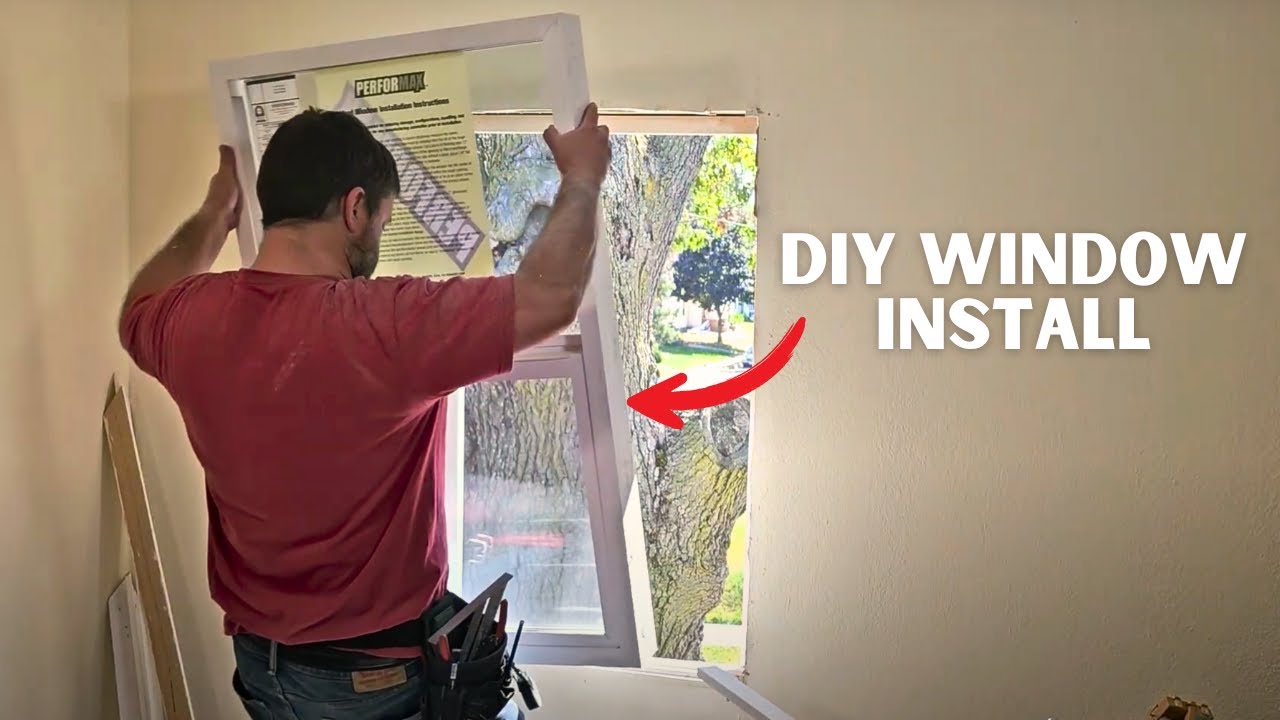
Full-frame work require a proper sill frying pan, either steel or created with self-adhered blinking that slopes to daylight. The sides and head need sequencing that loses water onto the layer below, not behind it. On homes with housewrap, the cover should be splashed over the head flashing. On rigid foam exteriors, installers need to align flashing with the drainage aircraft. The details vary by cladding, which is why a staff experienced with your home siding type deserves the premium.
I demand a water examination before cutting out if there's any type of uncertainty. A mild spray angled above the head blinking for numerous minutes tells you whether water is locating a path inside. It's less complicated to remedy with the indoor open than after whatever is caulked and painted.
Choosing a service provider without regrets
Referrals beat ads. Ask next-door neighbors who replaced windows 2 or three years ago exactly how the units are executing and whether the staff respected your home. When you talk to service providers, pay attention for specifics. An excellent pro can discuss exactly how they manage out-of-square openings, what foam they utilize, how they incorporate flashing with your house siding, and that handles indoor paint touch-ups. If the solution is a shrug and "we simply caulk it," maintain looking.
Quotes need to break out material and labor at the very least generally, and checklist the specific window collection, glass bundle, and hardware surface. If a quote says "power reliable double-pane," push for the NFRC values and the low-E code. Clarify that draws permits and whether the job fulfills regional egress and solidified glass needs, specifically near tubs, showers, or stair touchdowns. On multi-story job, inquire about autumn security and how they shield landscaping.
I stay clear of paying greater than a third up front. A normal framework is 30 percent deposit, 50 percent on distribution of systems to your site, and 20 percent upon completion and punch listing. Confirm the service warranty is both item and labor. Producer service warranties cover the unit, however if a sash seal falls short since the structure racked during setup, you want the installer to own that.
When repair work defeats replacement
Not every draft means a brand-new window. Older wood home windows with excellent bones can be rehabilitated with weatherstripping, sash cord substitute, and double-glaze window. I've seen triple-track storms over effectively restored single-pane wood sashes outmatch inexpensive vinyl replacements in both convenience and long life. If your home has historic trim and divided lites that would certainly be costly to match, obtain a quote from a repair expert before you commit to replacement.
Fogging in between panes points to a stopped working seal. On some brand names, you can change simply the shielded glass system while keeping the frame. This frequently costs a couple of hundred dollars and acquires one more years without a complete swap. It makes good sense when structures are strong and the appearances match the remainder of the house.
Managing the job day to day
Window replacement touches interiors. Dust control issues. Good staffs hang plastic at entrances, cover floorings, and vacuum cleaner as they go. Plan for a space or more per day, relying on staff size. Pets require a quiet area away from open wall surfaces. Alarms and sensors on home windows need to be disarmed and recorded. If you have actually wired security get in touches with, inform the installer before trial so they can collaborate with your alarm company.
Expect a walk-through at the end of each day. Open and shut every unit. Inspect locks, tilt attributes, and screens. Look for even reveals around sashes and consistent caulk lines. Note any type of scratches on glass before the staff leaves, since glass can be hard to insurance claim later on if the installer thinks it happened after they left.
A short, practical comparison to assist choices
- If your objective is most affordable in advance expense with respectable performance, select quality plastic pocket substitutes with low-E double-pane glass, and keep trim undamaged any place the frames are sound.
If you want longevity, steady procedure across periods, and future color versatility, step up to fiberglass or a top quality composite, and mix in full-frame substitutes where rot or water invasion exists.
For historical or high-design insides where timber issues, choose wood-clad devices with factory-finished outsides and prepare for regular interior upkeep. Allocate personalized trim and cautious integration with existing casings.
In really cold or very loud settings, use triple-pane selectively in rooms and north façades. Approve the added weight and equipment requirements and verify that the benefits turn up where you'll really feel them.
When re-siding the house, usage new-construction home windows with toenailing fins and incorporate blinking with the new weather condition barrier. This is the moment to take care of any kind of envelope defects the original build left behind.
How long they last and what maintenance looks like
Lifespan varies more by installation quality and direct exposure than by sales brochure pledges. I see solid vinyl home windows reach 20 to thirty years when installed square and sealed well. Fiberglass can stretch past that. Wood-clad systems, with good exterior coatings and alert caulking, do fine for decades, however neglected caulk joints are the opponent. On the inside, maintain surface in good shape where condensation can gather. Run windows a few times a year and vacuum cleaner tracks. A reluctant sash that's required becomes a warranty claim waiting to be denied.
Hardware issues for long life. Affordable balances and rollers cause sashes that drift or sliders that grind. It's worth paying for upgraded hardware in huge openings. Displays take a beating from animals and pollen. Removable displays that keep in the off-season last longer.
Where to stretch and where to save
Spend money on installment and climate administration, on the glass where environment or orientation demands it, and on materials that match your home's level of finish. Conserve by standardizing dimensions where possible, missing cosmetic grilles if they don't match your architecture, and preventing brand premiums that do not add measurable performance.
I typically suggest clients to stage projects. Start with the worst exposures or areas you utilize daily. Deal with the outcome for a season, then settle specifications for the remainder based on what you found out. You'll dial in tint levels, equipment finishes, and also display types that match your life. Phasing likewise spreads capital without sacrificing quality.
Final thought prior to you sign
Window replacement is an one or two times in a life time task for many homes. Treat it as an envelope upgrade, not a totally aesthetic swap. Set a budget connected to the performance and resilience you need, insist on details in the quote, and select a companion who cares about flashing as much as they respect sales brochures. When you get the decisions right and the Window Setup bewares, the advantages turn up everyday you open up the blinds, and monthly you open up the energy bill. And years from now, when the sashes still move with two fingers and the frameworks look as tight as the week they went in, you'll feel the return whenever you look outside.
Corrections
Spot something wrong? Send it to the desk and it gets fixed in the open.